


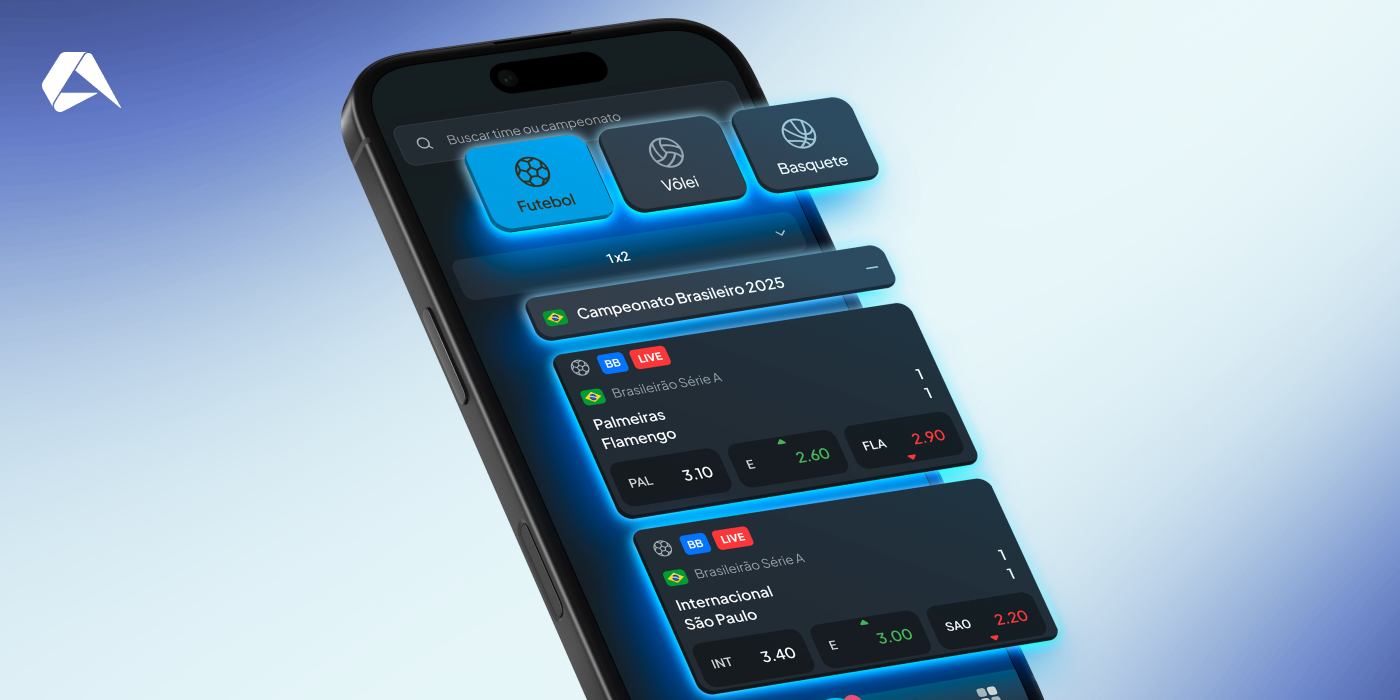
A betting lobby can feel fast without feeling messy when account handling stays simple, predictable, and easy to ignore until it is needed. On mobile, people bounce in and out between notifications, score checks, and quick decisions. If profile and session behavior interrupts that flow, users start second-guessing taps and backing out early. A clean account layer keeps the lobby readable, preserves context, and makes every action feel intentional.
Account access without breaking the browsing rhythm
Account access works best when it sits inside the same steady frame as the lobby instead of sending users on a detour. For many sessions, the desi account should open into a familiar layout where navigation stays pinned, category order stays consistent, and the user can return to the same scroll position after checking profile details. The first screen should not jump when cards or badges load. If a user leaves the lobby to view account info, returning should land them back at the same spot rather than restarting at the top. That single behavior reduces rushed scrolling, which is where most wrong taps happen on phones.
Session handling that feels steady on real phones
Good session handling is mostly invisible, and that’s the point. A user should not be forced to re-auth in the middle of browsing without a clear reason and a clean return path. If a session expires, the prompt should be direct, then the product should restore the same lobby view, the same filters, and the same list position. On small screens, losing place feels like losing time, and it pushes users into faster taps that create mistakes.
Stable session behavior also depends on consistent state cues. If the account is signed in, the UI should show it in a quiet, predictable spot. If validation is happening, the interface should show a neutral in-progress cue and keep relevant controls locked until the system is ready. Silent loading is where users tap twice. A short, visible state change is where people relax and wait.
Profile settings that reduce friction without extra screens
Profile settings feel better when they match what mobile users actually do. Most sessions involve quick checks, not long editing. That means the layout should prioritize clarity over depth: readable labels, simple toggles, and predictable placement. If limits, preferences, or security options exist, they should not be buried behind nested menus that look different from the lobby. The best experiences keep the same visual rules across accounts and browsing so the user never feels like they entered a different product.
Small details that keep account screens feeling trustworthy
Trust comes from repeatable behavior. Field focus should land in the right place. Password manager autofill should work cleanly. Errors should be specific and short, so users know what failed without guessing. A show-password toggle reduces typos on mobile keyboards. If a user updates a setting, the confirmation should be obvious and stable, not a toast that disappears before it can be read. After leaving account screens, returning to the lobby should feel seamless, with the same category order and no surprise refresh that moves content around.
This is also where sensible defaults matter. If the phone locks and unlocks, the product should return to the last confirmed view without replaying transitions as if a new action occurred.
Practical checks that catch account and lobby issues quickly
A short test routine reveals whether account UX supports real browsing or quietly breaks it. The goal is to validate continuity, state clarity, and recovery, using simple actions that mirror normal behavior on a phone. These checks stay concrete and do not require tools.
- Open account, then return and confirm the lobby stays at the same scroll position.
- Switch apps briefly, return, and verify the signed-in state is unchanged and clear.
- Refresh data and confirm account elements update in place without moving tiles.
- Trigger an error once and check that the message is specific and consistent.
- Rotate the device and confirm buttons and labels stay anchored.
If these checks pass, the account layer stops being a point of tension. It becomes a quiet utility that users trust, which is precisely what a lobby needs during short sessions.
A calmer approach to account context during live browsing
Live sessions amplify every weakness because users move quickly and attention is divided. In that environment, the account layer should support deliberate decisions by keeping context visible and stable. Balance and basic status should sit in a predictable corner. Any required confirmations should use clear states and locked controls during transitions. If connectivity dips, the interface should hold the last confirmed values and show a waiting cue until updates return, instead of flashing new numbers and then changing them again.
Most account frustrations come from two patterns: losing place and unclear state. Losing place forces re-scanning. An unclear state invites repeat taps. Avoiding both makes the whole lobby feel easier to manage, even when the phone is juggling background limits and mixed signal quality. A steady account experience does not try to grab attention. It keeps the lobby usable by staying consistent, returning users to the same spot, and making every change feel confirmed and final.