


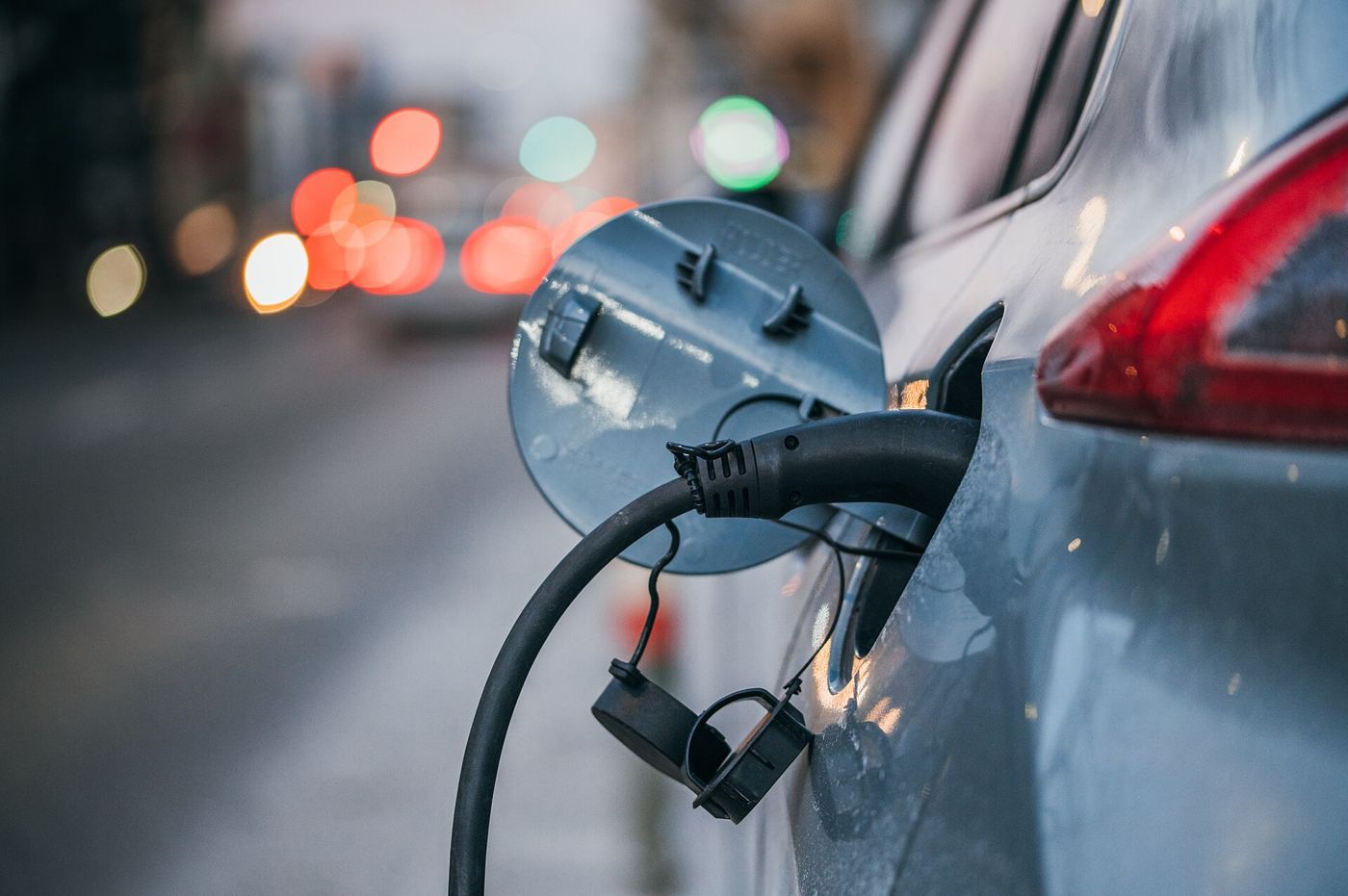
Solid-state batteries, long promised as the next leap for electric vehicles, are moving closer to real cars. Unlike today’s lithium-ion batteries, which use a liquid electrolyte, solid-state designs use a solid material to carry charge between electrodes, promising higher energy density, faster charging and less fire risk. That combination could mean electric cars that travel further on a charge, refill in minutes rather than hours, and carry smaller, lighter battery packs. Carmakers and battery firms have spent years wrestling with manufacturing problems, cost and durability, but pilot production lines and road-tested prototypes are now appearing, and several manufacturers have set dates for limited commercial use.
What the Evidence Shows
The technology still faces hard engineering challenges. Solid electrolytes can crack, interfaces between layers can degrade, and making millions of cells cheaply is very different from making a handful in a laboratory. Yet the progress is real: energy densities have climbed, cycle life has improved, and supply chains for key materials are forming. If solid-state batteries reach mass production at a competitive price, they could reshape not only cars but also phones, laptops and grid storage, where the same benefits apply. For now, drivers should expect a gradual arrival, starting in premium vehicles before spreading to the mainstream over the coming years. Investors and car buyers alike should keep expectations realistic, since new battery technologies often take longer than promised to reach showrooms, and the first solid-state cars are likely to be expensive, limited-production models before the technology becomes cheap enough for everyday family vehicles. Reporting and analysis from sources such as Wired track the same developments, and specialists following solid-state batteries moving toward electric cars say the direction is now consistent across independent lines of evidence.
The Wider Context
The wider context is an industry learning to ship capability and restraint together. Products built around solid-state batteries moving toward electric cars now launch with safety evaluations, usage data and rollback plans as standard, because enterprise buyers and regulators ask for them in the first meeting. Companies that treated those questions as friction are discovering they have become the purchase criteria.
What Happens Next
What happens next for solid-state batteries moving toward electric cars depends less on another breakthrough than on the unglamorous work of reliability, pricing and support. The buyers evaluating it now are not enthusiasts; they are operators with budgets and auditors, and their checklists will decide the timeline. On the evidence of the current pilots, the technology has earned the right to be judged by them. You can follow related developments in our coverage of technology.
None of this will be settled by a single announcement, study or product launch. The pattern to watch is accumulation: independent confirmations, honest reporting of failures and steady improvement in the underlying numbers. Readers who follow those signals, rather than the loudest claim of the week, will understand this subject better than most of the commentary surrounding it suggests is possible.