


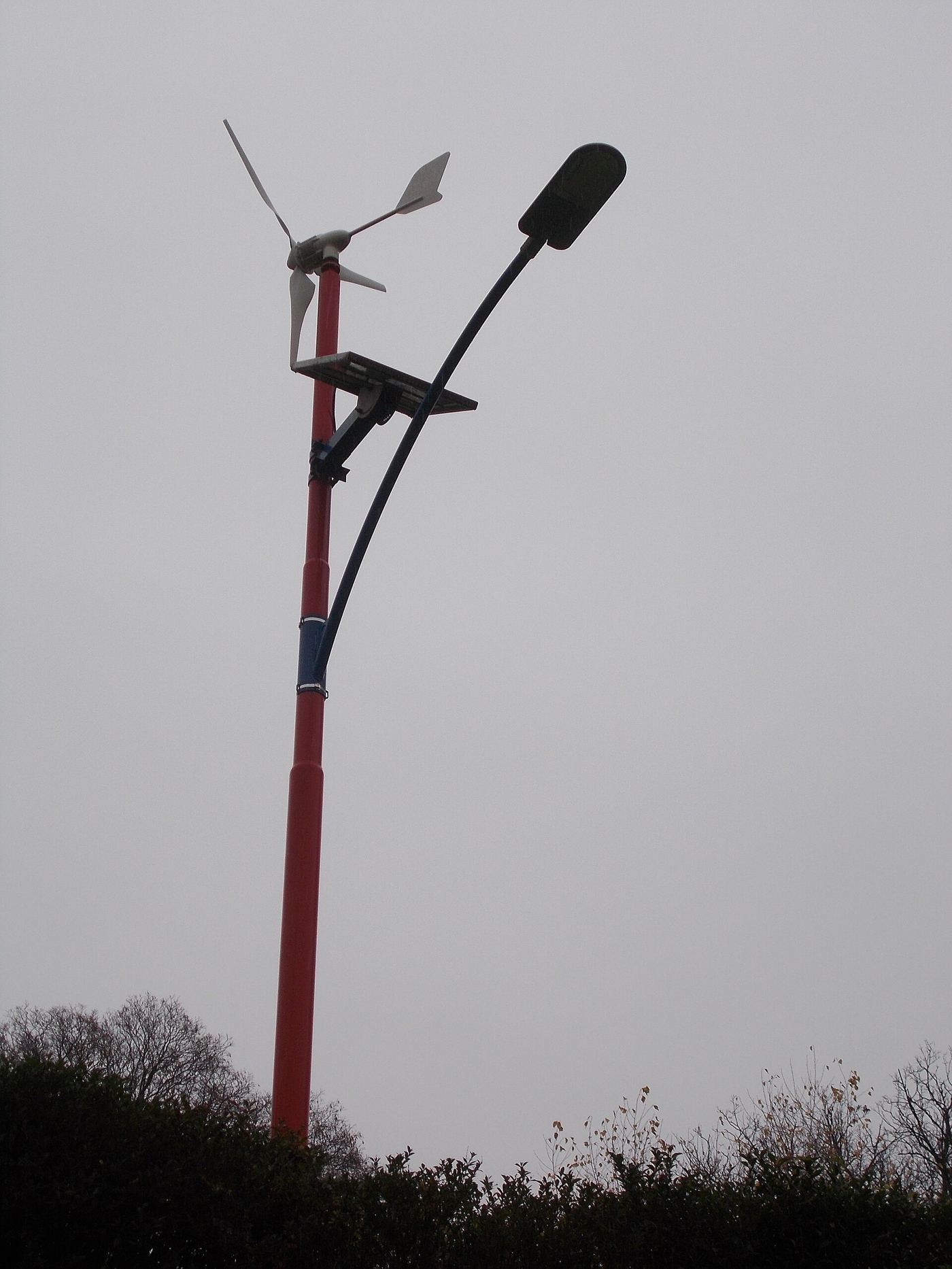
Wind and solar power are clean, but they arrive on nature’s schedule rather than ours. The wind may blow hardest at night when demand is low, and the sun sets just as people switch on their lights. A smart grid is the system that balances that mismatch. Sensors and software watch supply and demand across the network in real time, and when the wind drops in one place the grid can draw power from batteries, shift demand to a sunnier region, or ask flexible users such as electric car chargers to pause for an hour. The result is a network that can run mostly on renewables without the blackouts that critics once predicted, and countries with large wind and solar fleets are now depending on it. The shift is already visible in countries with large wind fleets, where on windy nights electricity prices can fall to almost nothing, and on calm evenings the grid draws on batteries charged earlier in the day. Grid operators say the balancing act gets easier as more storage and flexible demand join the system.
What the Evidence Shows
The technology is a mix of hardware and habit. Grid operators are installing batteries the size of shipping containers, building new transmission lines and paying factories to use power when it is plentiful. Households are joining in too, with smart meters and tariffs that reward running a washing machine when the wind is strong. The challenge is scale, since a grid that balances itself minute by minute needs reliable communication and software that cannot fail. Engineers also warn that the system must be protected from cyber attack, since a grid that answers to software can be attacked through software. Even so, energy experts say the smart grid is what makes a renewable future practical. The rollout depends on new cables and substations as well as software, since power must physically travel from where it is made to where it is needed. Planners say the grid will need decades of investment, but that each year of delay makes the transition more expensive. Reporting and analysis from sources such as Wired track the same developments, and specialists following the smart electricity grids say the direction is now consistent across independent lines of evidence.
The Wider Context
The wider context is an industry learning to ship capability and restraint together. Products built around the smart electricity grids now launch with safety evaluations, usage data and rollback plans as standard, because enterprise buyers and regulators ask for them in the first meeting. Companies that treated those questions as friction are discovering they have become the purchase criteria.
What Happens Next
What happens next for the smart electricity grids depends less on another breakthrough than on the unglamorous work of reliability, pricing and support. The buyers evaluating it now are not enthusiasts; they are operators with budgets and auditors, and their checklists will decide the timeline. On the evidence of the current pilots, the technology has earned the right to be judged by them. You can follow related developments in our coverage of technology.
None of this will be settled by a single announcement, study or product launch. The pattern to watch is accumulation: independent confirmations, honest reporting of failures and steady improvement in the underlying numbers. Readers who follow those signals, rather than the loudest claim of the week, will understand this subject better than most of the commentary surrounding it suggests is possible.