


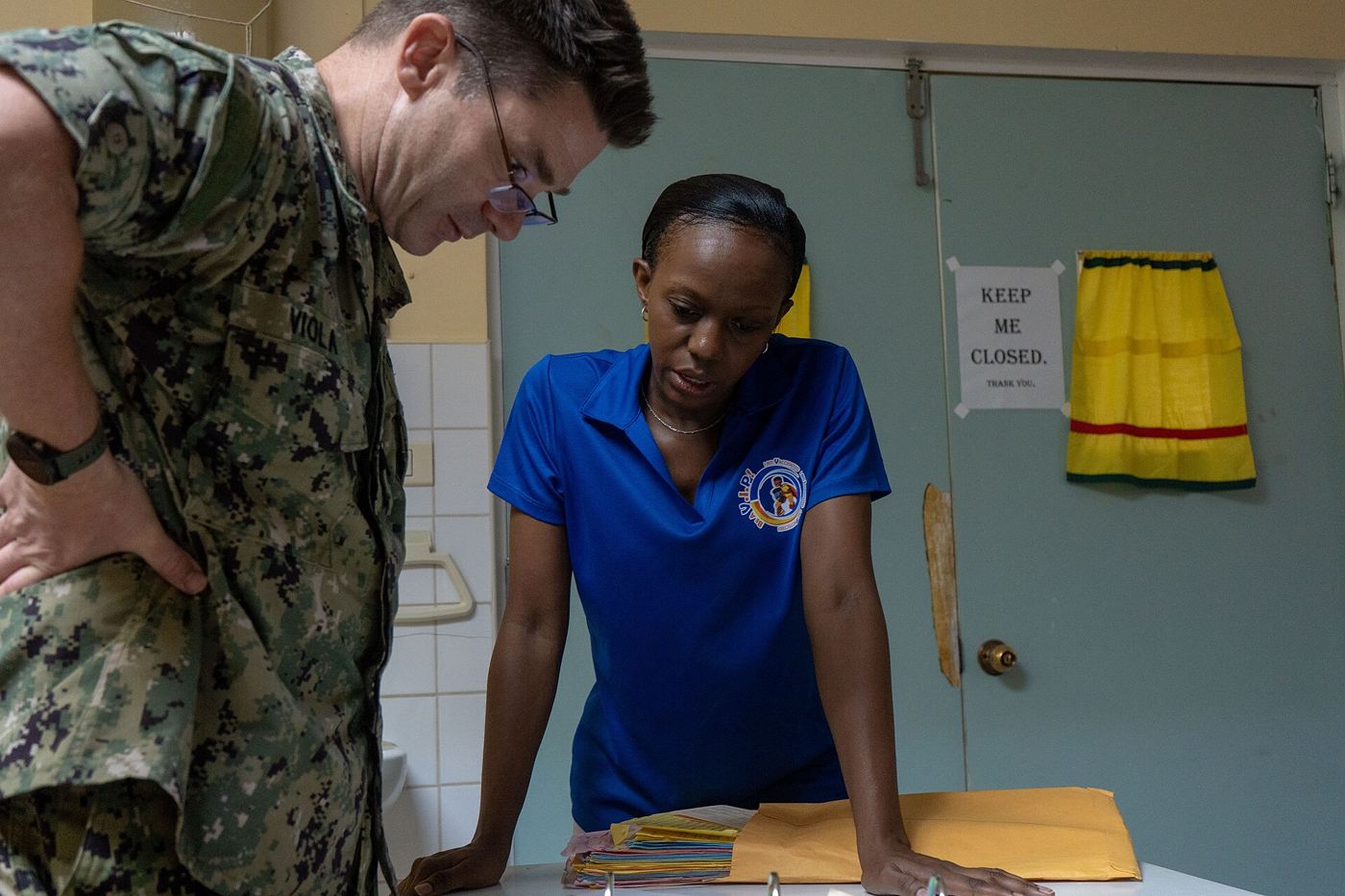
Winter illness clinics are being organised earlier this year, with dedicated appointments for coughs, flu like symptoms and breathing problems that surge when temperatures fall. Separating these cases into planned sessions helps practices assess patients faster, protect vulnerable people in general waiting rooms and spot serious illness sooner. Doctors expect demand to build gradually rather than arriving in a single overwhelming wave. They are urging residents to know in advance which service to contact for different symptoms, instead of waiting until they feel considerably worse.
What the Evidence Shows
Clinic teams triage by phone or online form, directing minor illness to pharmacists, routine cases to winter sessions and urgent symptoms to same day medical assessment. Nurses check oxygen levels, temperature and hydration, while doctors focus on patients whose conditions could deteriorate quickly. Practices also plan extra reviews for people with asthma and other long term conditions. Clear signage, staggered arrival times and good ventilation in waiting areas form part of the same effort to keep services running smoothly. Reporting and analysis from sources such as National Institutes of Health track the same developments, and specialists following winter illness clinics planned early say the direction is now consistent across independent lines of evidence.
The Wider Context
The wider context is a health system trying to move from treating illness late to preventing it early, against budgets that reward the opposite. Evidence around winter illness clinics planned early is being weighed by guideline committees that ask two questions in order: does it work, and can ordinary services actually deliver it at scale. Many good ideas pass the first test and stall on the second.
What Happens Next
What happens next for winter illness clinics planned early depends on the slow machinery of guidelines, funding and training catching up with the evidence. Patients asking about it today should expect honest answers that include uncertainty, and clinicians say a service that explains what is not yet known earns more trust than one that oversells. The research pipeline, at least, is moving in the right direction. You can follow related developments in our coverage of health.
None of this will be settled by a single announcement, study or product launch. The pattern to watch is accumulation: independent confirmations, honest reporting of failures and steady improvement in the underlying numbers. Readers who follow those signals, rather than the loudest claim of the week, will understand this subject better than most of the commentary surrounding it suggests is possible.
There is a practical lesson in all of this for readers deciding what to do today. Start with the verified facts, be wary of anyone promising certainty, and prefer reversible steps while the evidence is still developing. Circumstances differ by country, income and personal situation, so general guidance should always be weighed against your own context before you act on it in any significant or lasting way.