


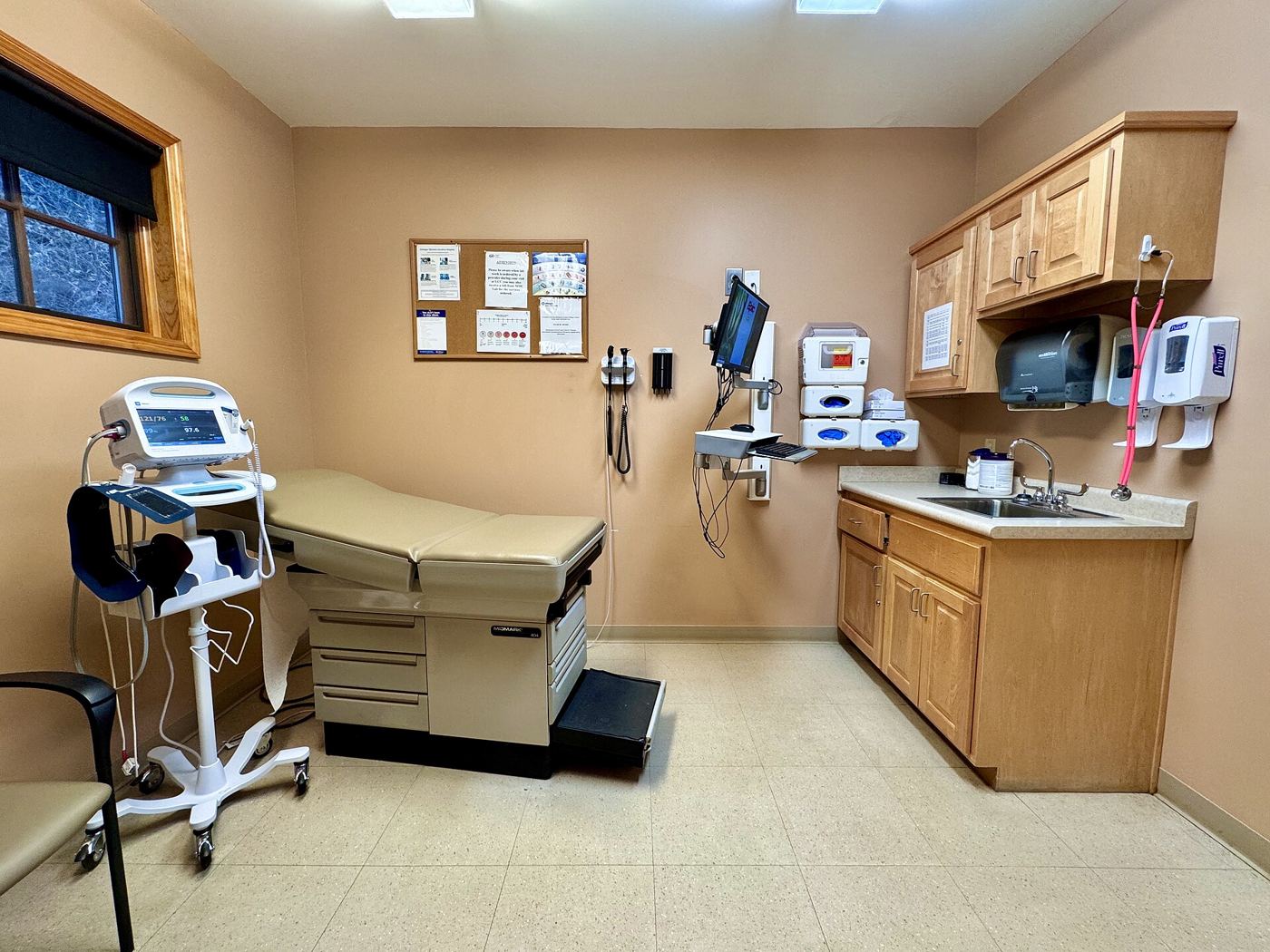
An annual health review can cover a lot of ground in a short appointment: blood pressure, weight, medicines, vaccinations, mood, sleep and any new symptoms since last year. Arriving prepared helps the review feel like a useful conversation rather than a rush through a checklist. A few days beforehand, it is worth gathering recent results, updating a medication list, and writing down changes noticed over the year, from new aches and altered sleep to improvements worth reporting, such as walking more or stopping smoking. Noting family health changes can also be relevant, since clinicians often ask whether close relatives have developed new conditions. Setting one or two personal priorities for the appointment, the questions you most want answered, keeps the discussion focused if time runs short. This article is general information only and is not medical advice for any individual. Anyone with urgent or worrying symptoms should not wait for an annual review to seek care. For routine reviews, though, preparation is what turns a brief slot into a genuine stocktake, where small issues can be raised early, screening can be kept up to date, and plans for the coming year can be agreed calmly and clearly.
What the Evidence Shows
During the review itself, honesty helps more than optimism. Describing how often exercise really happens, what eating looks like on a busy week, or how sleep has actually been gives the clinician a true picture to work with. There is no judgement in a good review, only planning based on real life. Asking for a short summary before leaving, including any follow-up tests, referrals or dates to book, prevents details being lost, and keeping that summary with previous years’ notes builds a valuable long-term record. Households can coordinate by reviewing the calendar together each autumn, checking who is due which screening or vaccination, and booking transport or time off work early. Many people find that the review also prompts useful conversations at home about habits the whole family shares, from evening meals to bedtime routines. Seen this way, an annual review is not an exam to pass. It is a regular, supported pause to check what is working, catch what is changing, and leave with a short, clear list of next steps for the year ahead. Reporting and analysis from sources such as National Institutes of Health track the same developments, and specialists following preparing annual health review say the direction is now consistent across independent lines of evidence.
The Wider Context
The wider context is a health system trying to move from treating illness late to preventing it early, against budgets that reward the opposite. Evidence around preparing annual health review is being weighed by guideline committees that ask two questions in order: does it work, and can ordinary services actually deliver it at scale. Many good ideas pass the first test and stall on the second.
What Happens Next
What happens next for preparing annual health review depends on the slow machinery of guidelines, funding and training catching up with the evidence. Patients asking about it today should expect honest answers that include uncertainty, and clinicians say a service that explains what is not yet known earns more trust than one that oversells. The research pipeline, at least, is moving in the right direction. You can follow related developments in our coverage of health.
None of this will be settled by a single announcement, study or product launch. The pattern to watch is accumulation: independent confirmations, honest reporting of failures and steady improvement in the underlying numbers. Readers who follow those signals, rather than the loudest claim of the week, will understand this subject better than most of the commentary surrounding it suggests is possible.