


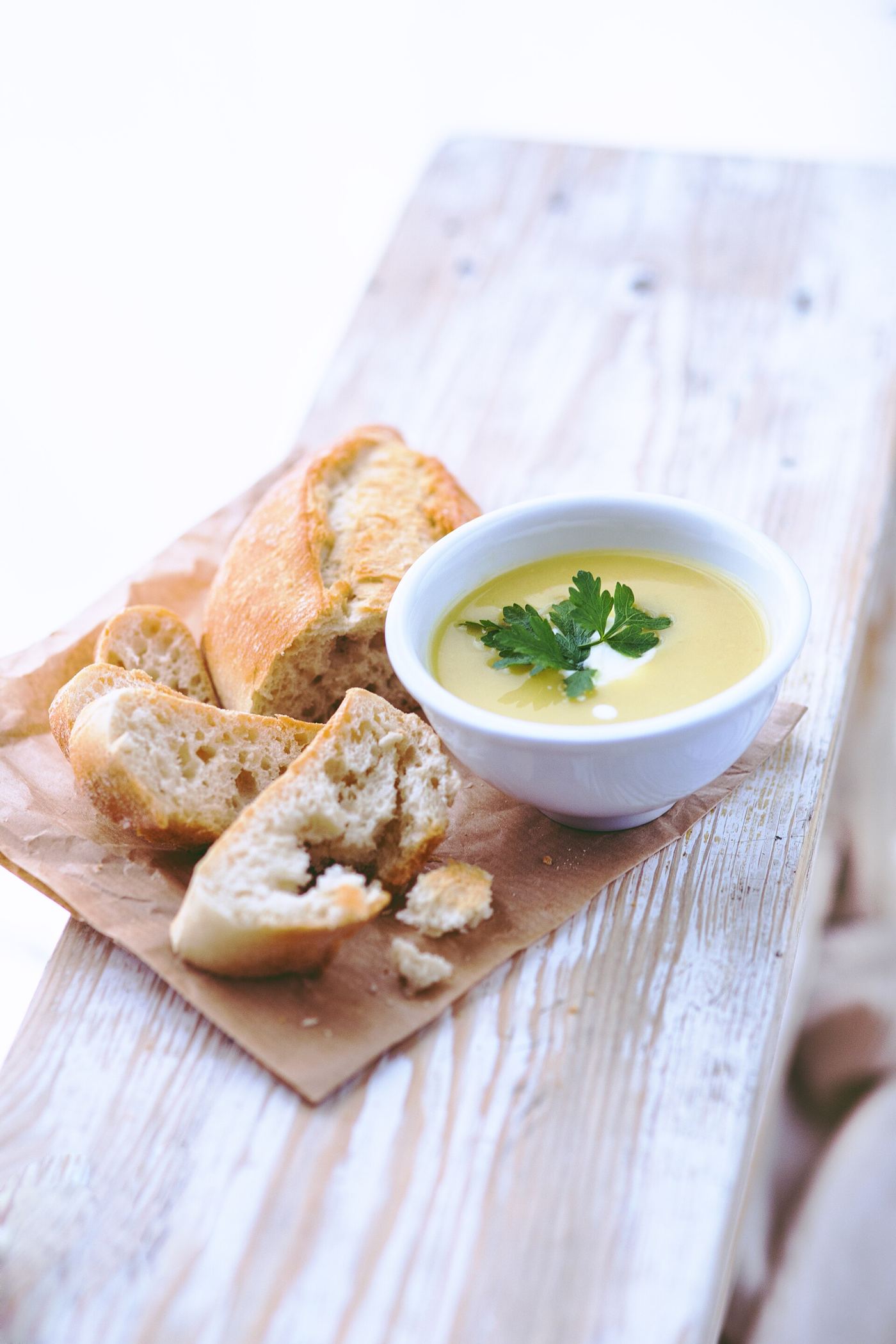
Community cooking classes are turning fresh vegetables into everyday meals, showing neighbours how to cook food that is healthy, affordable and genuinely enjoyable. Many participants arrive convinced that healthy cooking is complicated or expensive, and leave with a handful of simple recipes they can repeat at home: a vegetable soup, a bean stew, a stir-fry or a tray of roasted roots. Instructors keep the focus practical, teaching knife skills, seasoning and how to use what is in season, rather than lecturing about nutrition. Classes often end with everyone eating together, which organisers say matters as much as the cooking itself, because a shared meal builds confidence and turns strangers into a group that meets again. Health workers value the format because it reaches people who rarely attend formal health programmes. The classes tackle food waste, showing how leftovers can become tomorrow’s lunch and how store-cupboard staples can rescue a meal at home when money is tight.
What the Evidence Shows
Dietitians who support the classes stress that the goal is progress, not perfection: adding one extra vegetable to dinner, swapping a sugary drink for water, or cooking at home twice a week instead of ordering takeaway. Cost is a frequent worry, so instructors show how dried beans, lentils, frozen vegetables and market produce can keep meals cheap without losing flavour. Participants are encouraged to cook with children or partners at home, passing on the skills they have learned and making healthy eating a household habit rather than a solo effort. Many classes are free or low cost, run in community centres, schools and faith halls, and welcome complete beginners. For anyone who wants to eat better, a friendly cooking class is often the easiest and most enjoyable place to start. Recipes are shared on cards so participants can cook them at home, and many classes keep a library of dishes for newcomers. Reporting and analysis from sources such as The Lancet track the same developments, and specialists following community cooking classes say the direction is now consistent across independent lines of evidence.
The Wider Context
Equity runs through every discussion of community cooking classes. Interventions that require apps, fees or free weekday afternoons reliably reach the people who need them least, so the programmes earning praise are those designed around clinics, workplaces and community venues that already serve everyone. Evaluation reports now publish uptake by income and region as a matter of routine.
What Happens Next
The practical takeaway on community cooking classes is deliberately unglamorous: it works best as part of ordinary, well-delivered care rather than as a standalone fix. Health services are planning on that basis, building the referral routes and follow-up that turn a promising result into population benefit. The gains arrive slowly and then, in the statistics, unmistakably. You can follow related developments in our coverage of health.
It is also worth remembering how quickly the picture in this area has changed before. Positions that looked settled a few years ago have been revised as new data arrived, and the same humility is appropriate now. The strongest coverage of this subject, and the most useful advice, tends to come from sources that update their views openly when the facts move, rather than defending an earlier position long after it has stopped fitting the evidence available.