


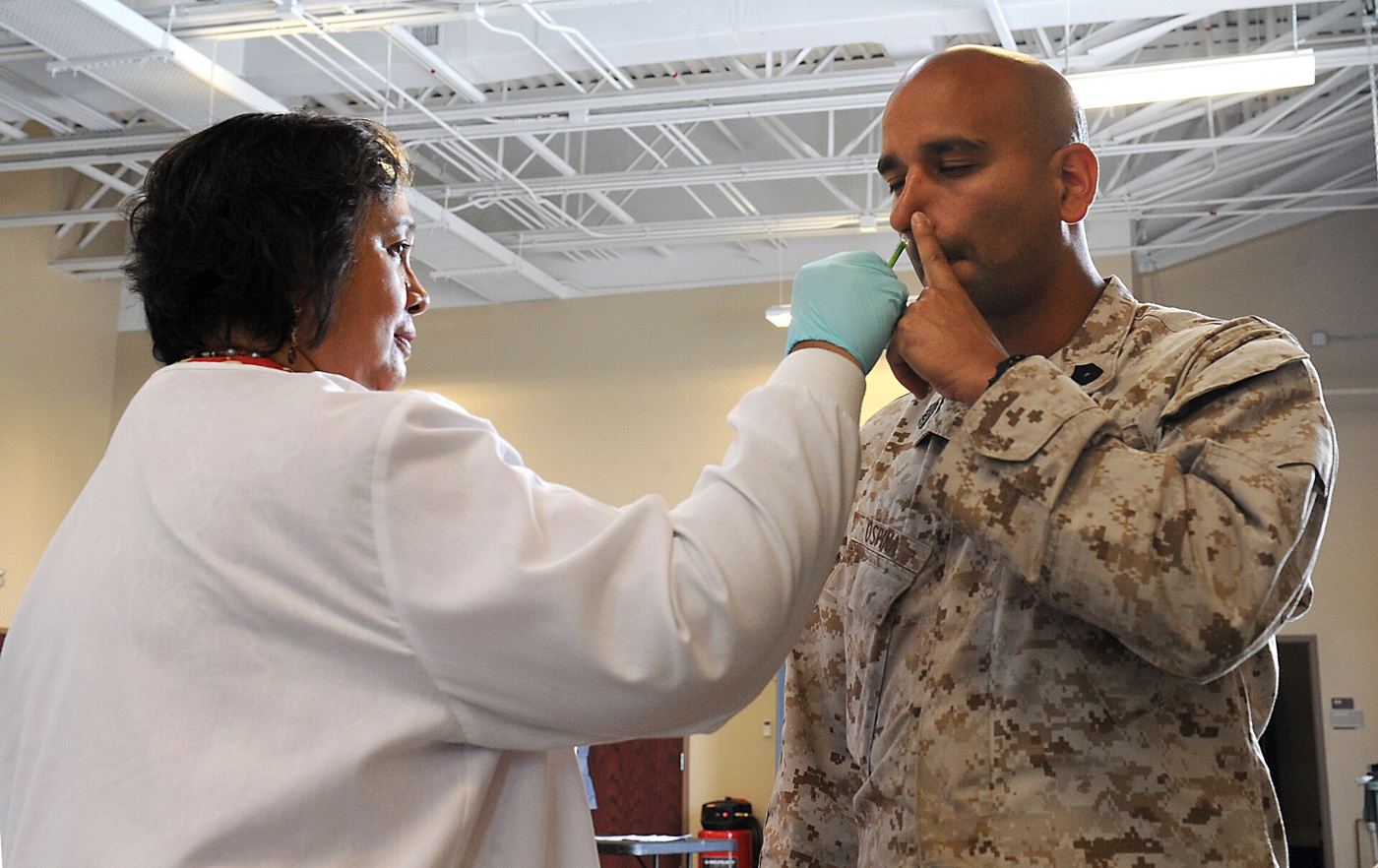
This winter’s flu vaccination programme is under way, and health services are urging everyone who is eligible to take up the offer before infections peak. In England, vaccination began on 1 September 2026 for children, pregnant women and some adults, and on 1 October for most other groups, including everyone aged 65 and over, people in clinical risk groups, care home residents, carers and close contacts of immunocompromised people. The ambition is for the vast majority of vaccinations to be completed by 30 November, although the programme runs until 31 March 2027. The World Health Organization target is 75 percent uptake among adults aged 65 and over, and NHS England has set the same goal. In the United States, the CDC’s guidance for the 2026-27 season says most people who need one dose should ideally be vaccinated in September or October, and that vaccination should continue throughout the season.
What the Evidence Shows
Flu is often dismissed as a bad cold, but it can cause serious illness, hospital admission and death, particularly in older people and those with long-term conditions. The vaccine takes up to two weeks to start working, which is why health services press for early uptake rather than waiting until flu is already circulating widely. Children are a particular focus, because vaccinating them early in the season has the greatest impact on reducing transmission to others. This year the programme has also been widened, with community pharmacies able to vaccinate two- and three-year-olds and people experiencing homelessness offered a jab from 1 October. Anyone unsure whether they qualify can check with their GP or pharmacy, and booking is free for everyone in an eligible group. Health services also stress that the jab cannot give you flu, a common myth, and that mild soreness in the arm for a day or two is the most frequent side effect. Reporting and analysis from sources such as The Lancet track the same developments, and specialists following flu vaccination programme say the direction is now consistent across independent lines of evidence.
The Wider Context
Equity runs through every discussion of flu vaccination programme. Interventions that require apps, fees or free weekday afternoons reliably reach the people who need them least, so the programmes earning praise are those designed around clinics, workplaces and community venues that already serve everyone. Evaluation reports now publish uptake by income and region as a matter of routine.
What Happens Next
The practical takeaway on flu vaccination programme is deliberately unglamorous: it works best as part of ordinary, well-delivered care rather than as a standalone fix. Health services are planning on that basis, building the referral routes and follow-up that turn a promising result into population benefit. The gains arrive slowly and then, in the statistics, unmistakably. You can follow related developments in our coverage of health.
It is also worth remembering how quickly the picture in this area has changed before. Positions that looked settled a few years ago have been revised as new data arrived, and the same humility is appropriate now. The strongest coverage of this subject, and the most useful advice, tends to come from sources that update their views openly when the facts move, rather than defending an earlier position long after it has stopped fitting the evidence available.