


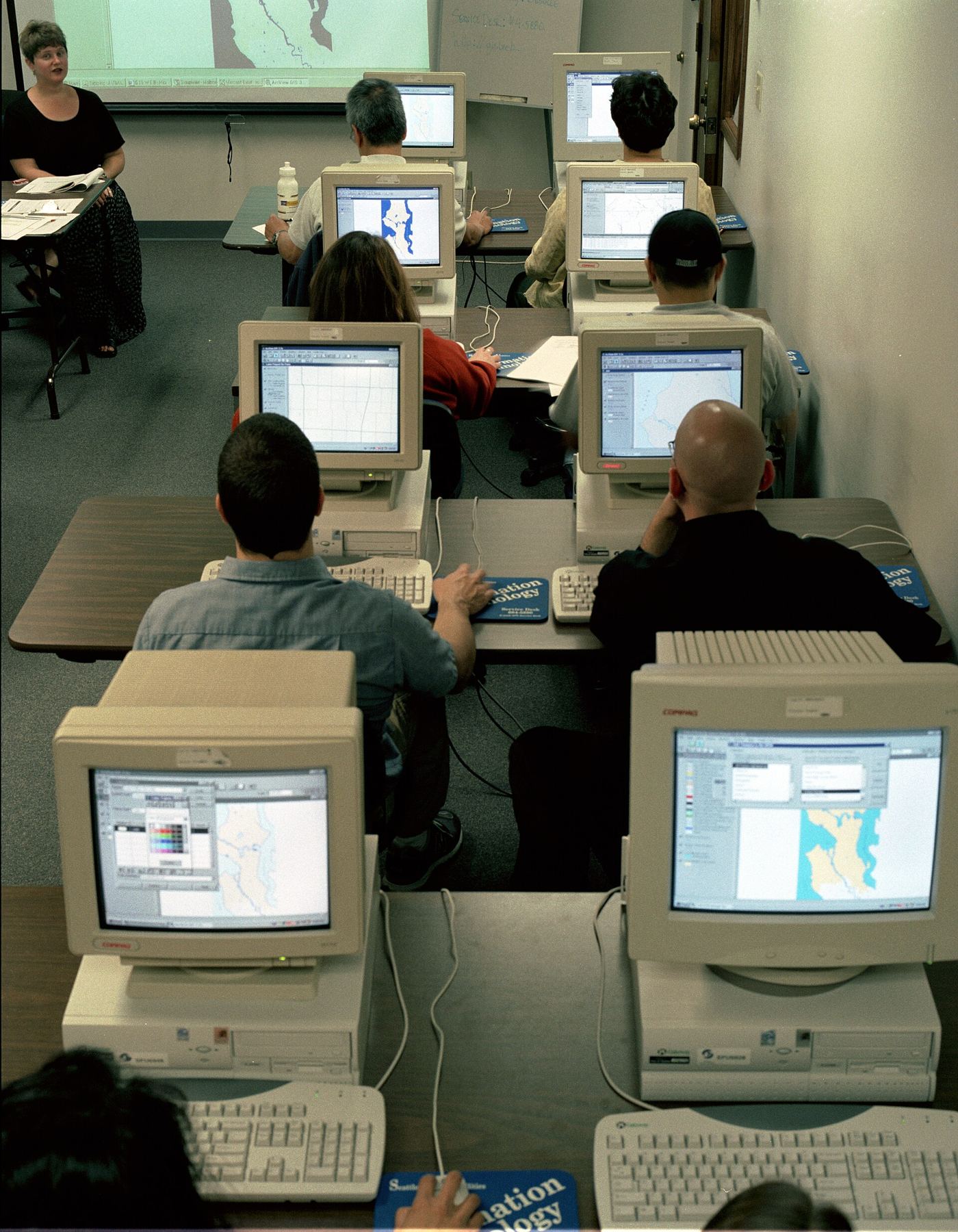
For many adults who left school before computers became commonplace, everyday tasks such as booking a doctor’s appointment, paying a bill or applying for a job now demand digital skills they were never taught. Community digital literacy classes are stepping in, offering free sessions in libraries and community centres where learners practise at their own pace with patient tutors. The classes start with the basics: using a mouse and keyboard, sending an email, and recognising the signs of a scam, before moving on to online forms and video calls. Tutors say confidence is the real barrier, not ability, and that many learners are capable of far more than they believe once someone sits beside them and explains each step. Graduates often describe the classes as life-changing, since a skill that younger people take for granted opens up services, jobs and contact with family that were previously closed to them. The need has grown as more services move online, from banking and benefits to medical appointments and job applications.
What the Evidence Shows
Funding for these classes is often short-term, leaving organisers to reapply for grants each year while demand keeps growing. Libraries have become the natural home for the sessions, since they are free, welcoming and already trusted by the communities they serve, but many need more computers and reliable internet to meet the demand. Employers are also getting involved, sponsoring classes for older workers whose roles now require basic digital skills. Researchers who study the programmes say the most successful ones pair technical teaching with practical goals chosen by the learners themselves, such as messaging a grandchild or checking a pension online. That personal motivation, they say, is what keeps people coming back week after week until the skills stick. The classes also help learners spot online scams, which tutors say is one of the most valuable skills they teach, since older adults are often targeted by fraudsters. Reporting and analysis from sources such as Wired track the same developments, and specialists following the community digital literacy class say the direction is now consistent across independent lines of evidence.
The Wider Context
The wider context is an industry learning to ship capability and restraint together. Products built around the community digital literacy class now launch with safety evaluations, usage data and rollback plans as standard, because enterprise buyers and regulators ask for them in the first meeting. Companies that treated those questions as friction are discovering they have become the purchase criteria.
What Happens Next
What happens next for the community digital literacy class depends less on another breakthrough than on the unglamorous work of reliability, pricing and support. The buyers evaluating it now are not enthusiasts; they are operators with budgets and auditors, and their checklists will decide the timeline. On the evidence of the current pilots, the technology has earned the right to be judged by them. You can follow related developments in our coverage of technology.
None of this will be settled by a single announcement, study or product launch. The pattern to watch is accumulation: independent confirmations, honest reporting of failures and steady improvement in the underlying numbers. Readers who follow those signals, rather than the loudest claim of the week, will understand this subject better than most of the commentary surrounding it suggests is possible.