


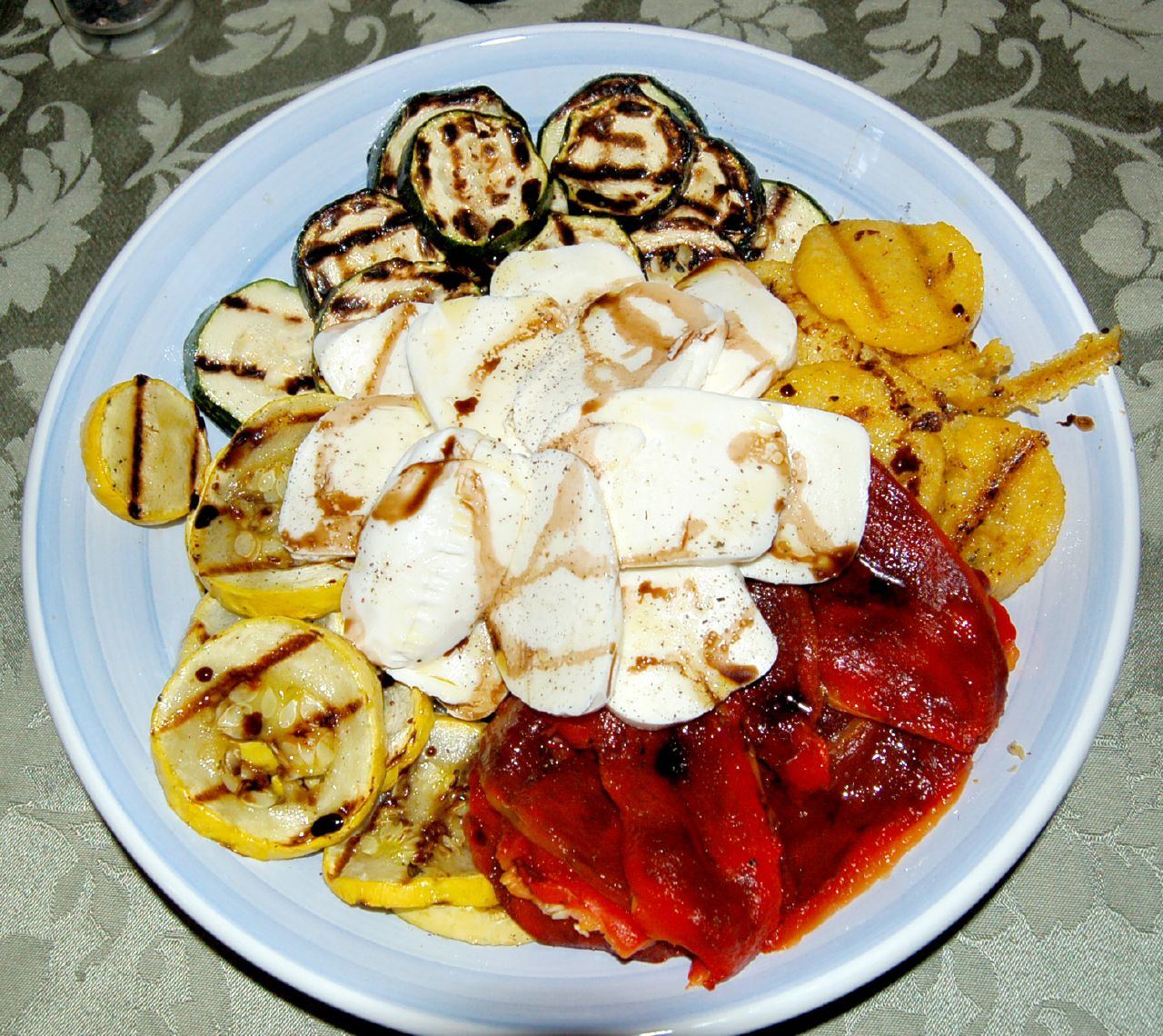
Home cooks planning heart-conscious menus are giving fresh salads and olive oil a central place on the table, inspired by eating patterns long associated with Mediterranean regions. Dietitians describe the appeal plainly: meals built around vegetables, beans, whole grains, fish and unsaturated oils tend to be rich in fibre and protective plant compounds while keeping saturated fat lower. A generous salad is no longer treated as a side dish but as the base of the meal, topped with chickpeas, lentils, grilled fish or chicken to make it filling. Olive oil, used for dressings and gentle cooking, replaces butter and other hard fats in many of these dishes, adding flavour that helps vegetables take centre stage. Nutrition specialists caution that no single ingredient guarantees heart health, and that overall pattern, portion awareness and limiting salt, processed meat and sugary drinks matter far more. Still, they welcome the shift towards colourful, plant rich plates because it tends to displace less helpful choices naturally. Supermarkets report growing sales of salad leaves, pulses and good quality oils, while cookery writers publish weeknight friendly versions of classic Mediterranean dishes that busy households can realistically prepare after work on a regular basis at home.
What the Evidence Shows
Building the habit is easier when preparation is simple, so dietitians suggest keeping washed leaves, chopped vegetables and a reliable lemon and olive oil dressing ready in the fridge. Adding beans or lentils to salads several times a week raises fibre intake, which supports both heart health and steady blood sugar, while nuts and seeds contribute texture and healthy fats in small amounts. People taking medication or living with conditions such as diabetes are advised to discuss significant dietary changes with their clinical team, particularly where grapefruit, vitamin K or overall energy needs require attention. Heart charities also remind households that food is only one part of prevention, alongside not smoking, staying active, sleeping well and keeping blood pressure and cholesterol checked. The social side of these menus matters too: shared platters of salad, grilled vegetables and fish encourage slower, communal eating that many families find more satisfying than rushed individual meals. Cost concerns can be managed with frozen vegetables, tinned pulses and seasonal produce, which carry similar nutritional value to fresher premium options. Approached this way, heart-conscious eating becomes less a restrictive regime and more an enjoyable pattern of cooking that households can sustain for years rather than weeks. Reporting and analysis from sources such as The Lancet track the same developments, and specialists following heart-conscious home menus say the direction is now consistent across independent lines of evidence.
The Wider Context
Equity runs through every discussion of heart-conscious home menus. Interventions that require apps, fees or free weekday afternoons reliably reach the people who need them least, so the programmes earning praise are those designed around clinics, workplaces and community venues that already serve everyone. Evaluation reports now publish uptake by income and region as a matter of routine.
What Happens Next
The practical takeaway on heart-conscious home menus is deliberately unglamorous: it works best as part of ordinary, well-delivered care rather than as a standalone fix. Health services are planning on that basis, building the referral routes and follow-up that turn a promising result into population benefit. The gains arrive slowly and then, in the statistics, unmistakably. You can follow related developments in our coverage of health.
It is also worth remembering how quickly the picture in this area has changed before. Positions that looked settled a few years ago have been revised as new data arrived, and the same humility is appropriate now. The strongest coverage of this subject, and the most useful advice, tends to come from sources that update their views openly when the facts move, rather than defending an earlier position long after it has stopped fitting the evidence available.